

-
-
-
-
Motion Blueprint
Regular price €173,00 EURRegular price -
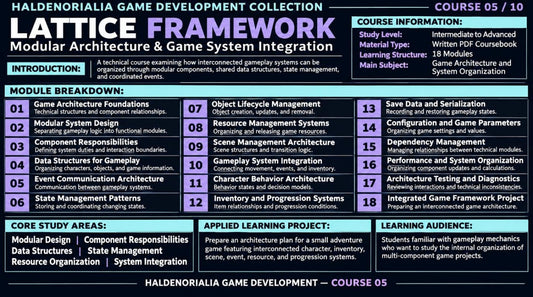
Lattice Framework
Regular price €194,00 EURRegular price -
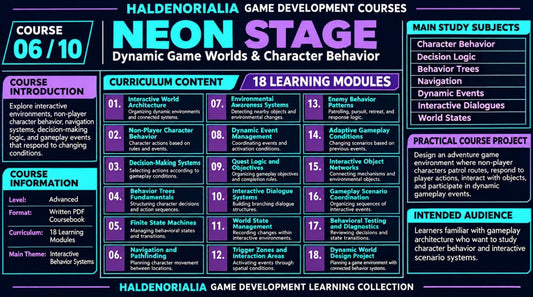
Neon Stage
Regular price €221,00 EURRegular price -
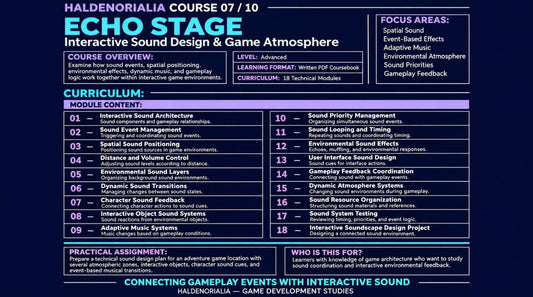
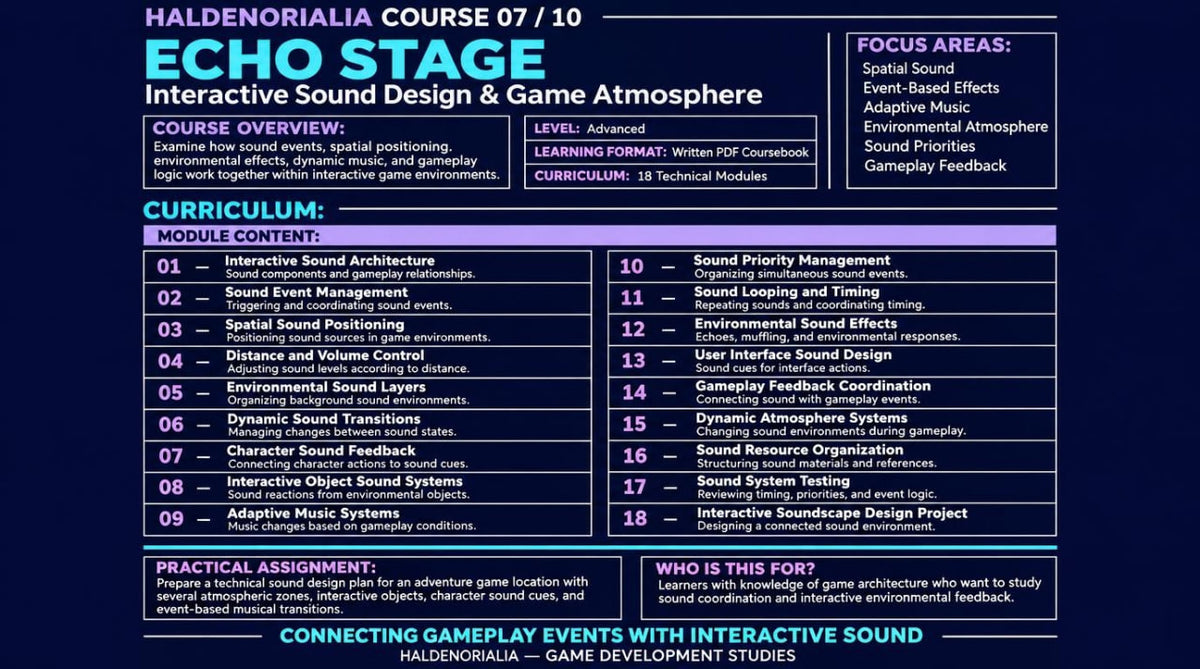
Echo Stage
Regular price €244,00 EURRegular price -
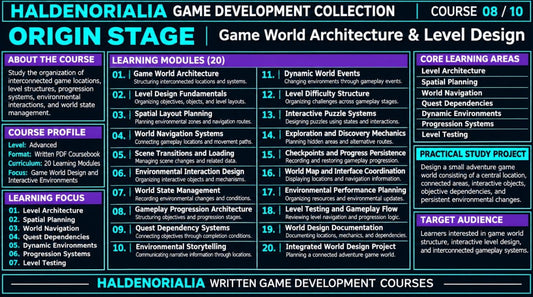
Origin Stage
Regular price €247,00 EURRegular price -
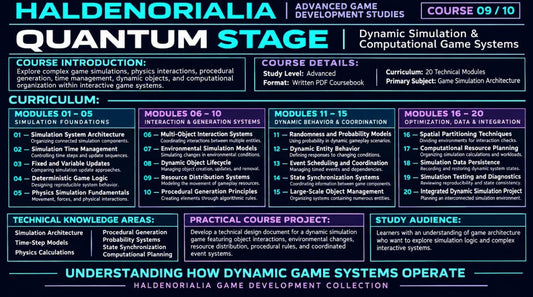
Quantum Stage
Regular price €301,00 EURRegular price -
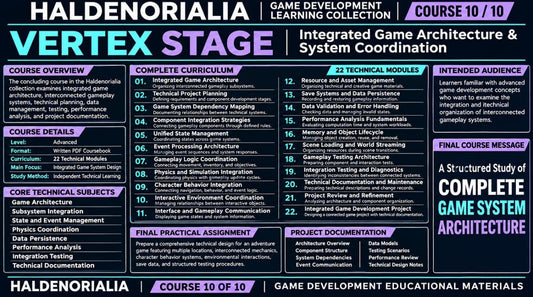
Vertex Stage
Regular price €491,00 EURRegular price

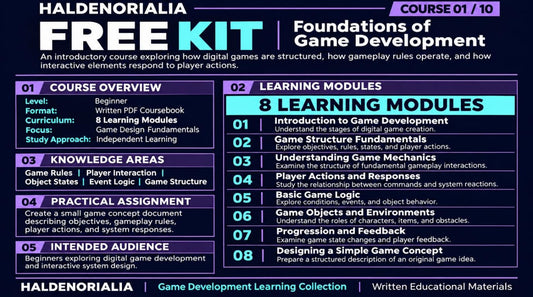

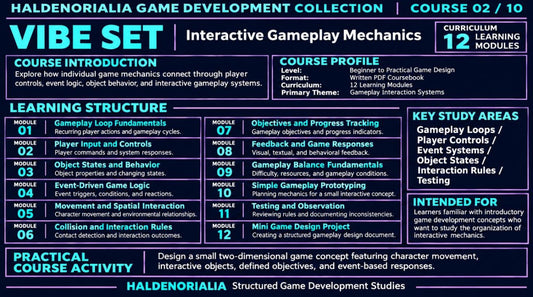

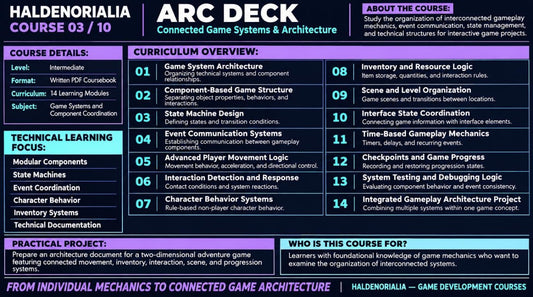

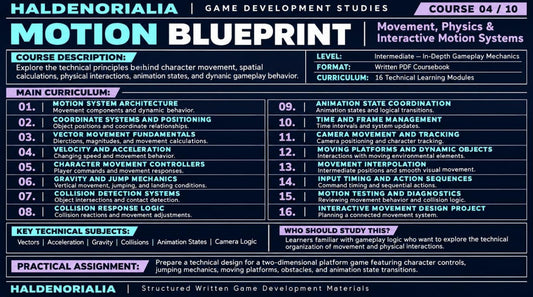






As seen on


A Story That Began with Curiosity About Games
Where Ideas Take the Shape of Game Logic
A Thoughtful Idea Behind Every Module
-

Jane Moreno
Game Level Designer
Develops level structures, navigation
routes, and the placement of interactive
environmental elements. -

Tyler Vance
Game Physics Engineer
Works on movement systems, collision
handling, and the simulation of physical
interactions between objects. -

Lewis Short
Game Tools Developer
Designs internal tools for organizing
gameplay data, configuring components,
and evaluating technical systems.


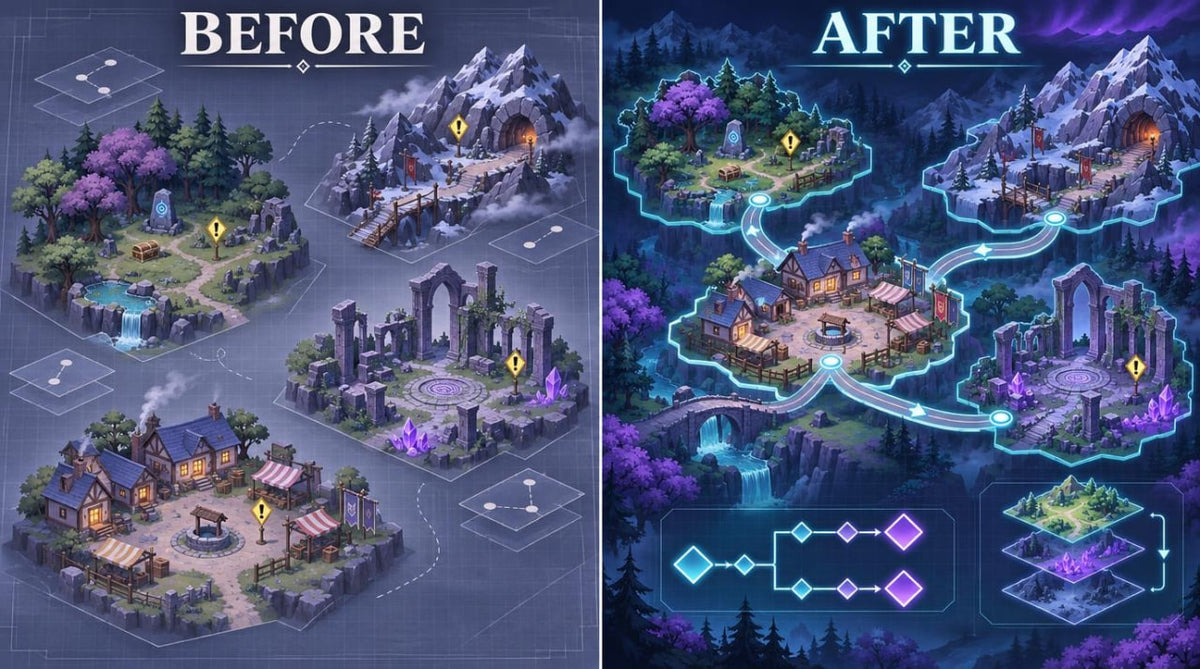




The First Page of Your Game Development Story
Learning Is Built from Details. We Give Them Attention
-

Structured Modules
Each course is divided
into themed sections
that progressively explain
different aspects of game
development. -

Practical Exercises
The learning materials include activities focused on analyzing gameplay mechanics, designing systems, and exploring technical concepts.
-

Flexible Learning
Pair text with an image to focus on your chosen product, collection, or blog post. Add details on availability, style, or even provide a review.
-

Diverse Subjects
The collection covers gameplay logic, level design, character behavior, simulations, and digital game architecture.


A Look Inside Our Learning Worlds
Your Learning Pages Across Different Screens


Different Paths Through the World of Game Knowledge
-

Edgar Thompson
Edgar was already familiar with fundamental gameplay mechanics but had questions about organizing components within more complex projects. He was particularly interested in event systems, data management, and communication between different parts on a game.
What Was Helpful: Technical diagrams, modular architecture explanations, and component coordination examples provided material for independent analysis.
Sample Quote: "The component diagrams and event system explanations gave me a different perspective on how a game project can be structured." -

Vera Briggs
She was interested in creating interactive locations but wanted to examine the relationships between spatial design, objectives, and environmental behavior. She was looking for materials she could revisit while preparing her own level planning diagrams.
What Was Helpful: The written format, navigation route explanations, and examples of gameplay event dependencies matched her preferred study approach.
Sample Quote: "I enjoyed exploring how object placement and event sequences influence the structure of an interactive game world."

